
About Sal Saad
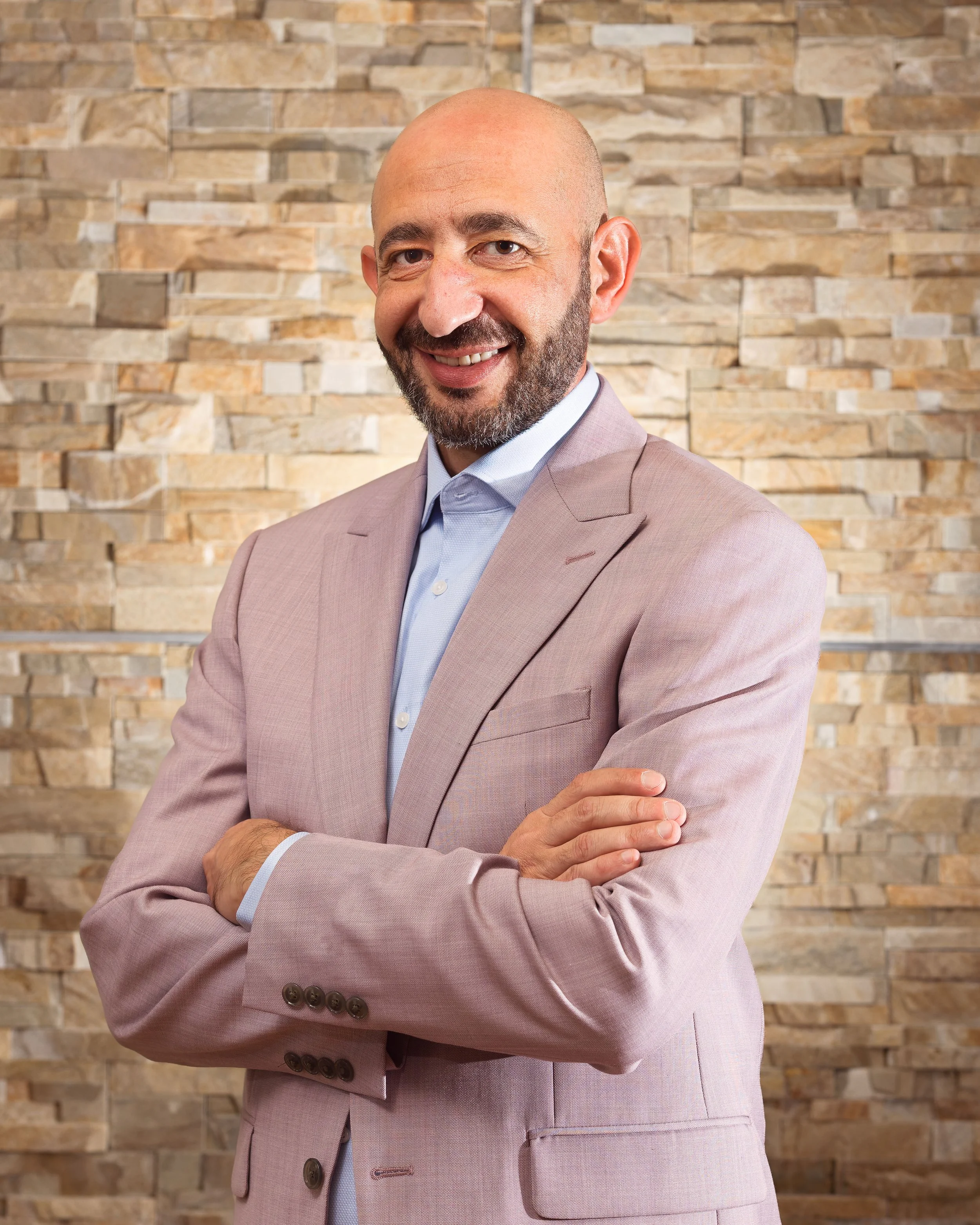
I'm a Director at Trans4mative Advisors, a strategy and transformation firm, and a Clinical Professor of Management at the University of Houston-Downtown. Two hats, one subject: the distance between what organizations decide and what they do. I've spent my career on both sides of it, building strategies worth executing, and building the machinery that executes them.

The work
I learned the craft inside and alongside some of the world's largest consultancies: EY, PwC, Grant Thornton, and FTI Consulting among them. Those years taught me how strategy gets made, and, more usefully, how it gets unmade: the borrowed frameworks, the analysis that stops where the news gets bad, the approved plan that never survives contact with the operating calendar. The work has ranged from family-owned manufacturers to global energy companies, across the US, Europe, and the Middle East & North Africa, through market entries, acquisitions and integrations, system selections and implementations, pricing rebuilds, and finance and operations transformations. The settings never repeat. The gap always does.
The Other altitude
For years I've also mentored people, students, former students, professionals from my network, through the same work at a different altitude: careers. Same method: honest aspiration, honest analysis, a plan you can argue with, and the discipline of running it. Same discipline, longer horizon.
The classroom
At the Marilyn Davies College of Business, I teach strategy from both ends: the courses where plans get made and the course where they get run, along with the subjects that decide which one happens, organizational behavior, organizational justice, leadership. Graduate and undergraduate, from principles to capstone, plus retail and international management, where clean frameworks meet messy ground. The classroom keeps all of it honest. A weak idea can hide behind a polished deck in a boardroom for months; in a classroom it doesn't survive the hour. What I learn with clients gets stress-tested by students, and their questions follow me back into client work.
Service
I serve on the board of a young nonprofit serving individuals with intellectual and developmental disabilities. It's early, which is the point: no inherited machinery, no legacy playbook, just a mission that matters and the work of building an organization that can carry it. The same discipline applies.
The question I study
Consulting kept putting me in rooms where automation was landing on people's work, and everyone assumed they knew what it was doing to them. I went and measured it. My doctoral research surveyed 505 working adults on whether intelligent automation erodes the sense of meaning people find in their work. It doesn't; the fear narrative failed the data. What builds meaning is the design of the job itself, which means every technology deployment is quietly a decision about meaning, whether leaders run it as one or not. Generative AI has reopened the question at a larger scale, and I'm building the research to test it again in this era. I expect to be working on this one for a long time, which is exactly what a good question should demand.