
Practice, in the classroom
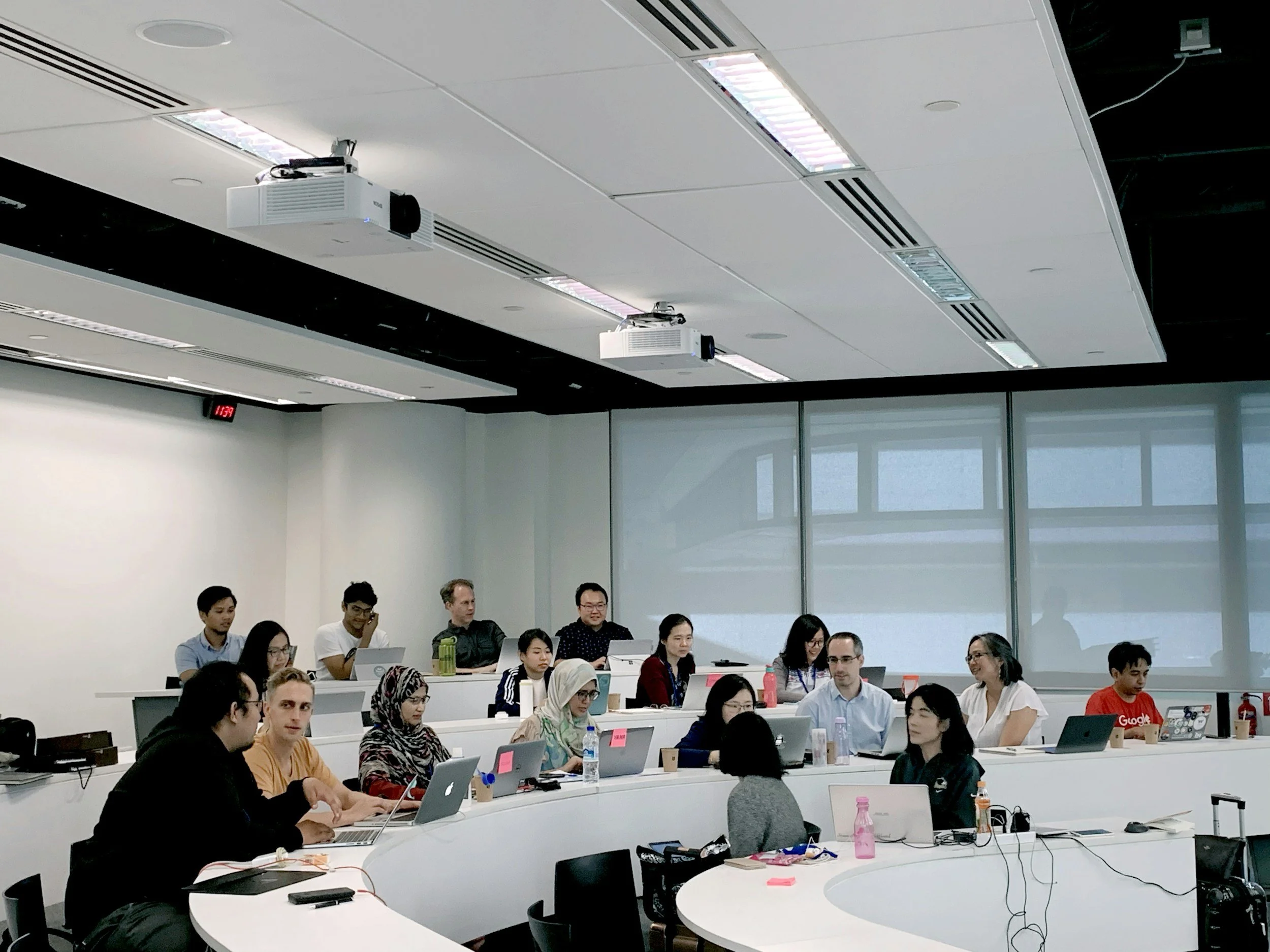
I teach strategy, management, and organizational behavior, graduate and undergraduate, at the Marilyn Davies College of Business. Alongside the faculty role, I advise companies on the same problems these courses teach. That's the bias my courses carry, proximity to practice: live dilemmas, sanitized numbers, decisions that haven't had time to age into case studies. And the traffic runs both ways. Teaching something forces you to understand it better than using it does, and student questions have a way of finding the soft spots in what I thought I had settled. Twenty plus years in, I still leave some classes with homework of my own.
What I teach
The MBA catalog makes my favorite argument for me. It splits strategy into two courses: Strategic Management, where plans get made, and Support the Business Strategy, where they get run. Most strategies fail in the second course. I teach both.
Strategy in Context
International Management · Retail Management Where clean frameworks meet messy ground: strategy across borders, where the assumptions you didn't know you were making stop holding, and strategy at the speed of the shelf, where positioning, pricing, and operations face the customer weekly.


The Human Machinery
The Strategy Spine
Organizational Behavior · Organizational Justice · Leadership, Motivation & Communication · Principles of Management Why organizations do what they do instead of what they decided. What fairness builds at work and what unfairness quietly destroys. What actually moves people, as opposed to what the posters say. Strategy is executed by humans or not at all; these courses are about the humans.
Business Strategy · Strategic Management · Support the Business Strategy · Capstone From first framework to final defense: how to build a plan that excludes things, how to align money, people, and systems behind it, and, in the capstone, everything at once, under time pressure, for a real audience. Like the job.


The difference-makers
The MBA program at the Marilyn Davies College of Business embeds corporate fellows, working industry leaders, in its classrooms, and I lean on that structure hard. Alongside them, I bring my own network in: executives and operators who have lived the material that week's session covers. A sitting finance leader on what actually kills budget-season strategy. An operator on what an integration feels like from the inside. Students can get frameworks from a book. What they can't get from a book is someone who has run the thing, answering their questions without a script. That's the difference, and it's why I keep the door revolving.